
Robots boost data consistency in rodent studies reliant on mechanical, optogenetic stimulation
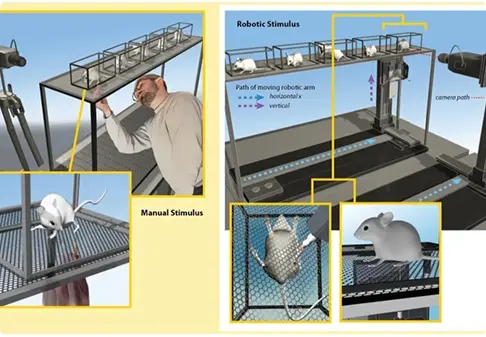
Two new devices take experimenter variation out of the equation, the lead investigators say. devices take experimenter variation out of the equation, the lead investigators devices take experimenter variation out of the equation, the lead investigators devices take experimenter variation out of the equation, the lead investigators devices take experimenter variation out of the equation, […]
Remote automated delivery of mechanical stimuli coupled to brain recordings in behaving mice
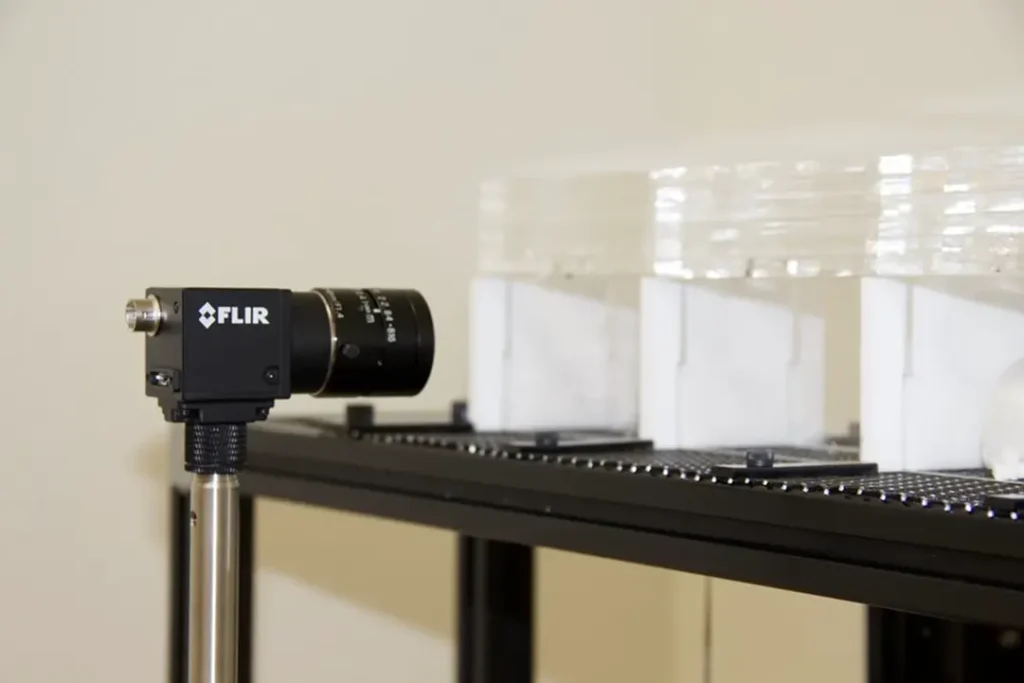
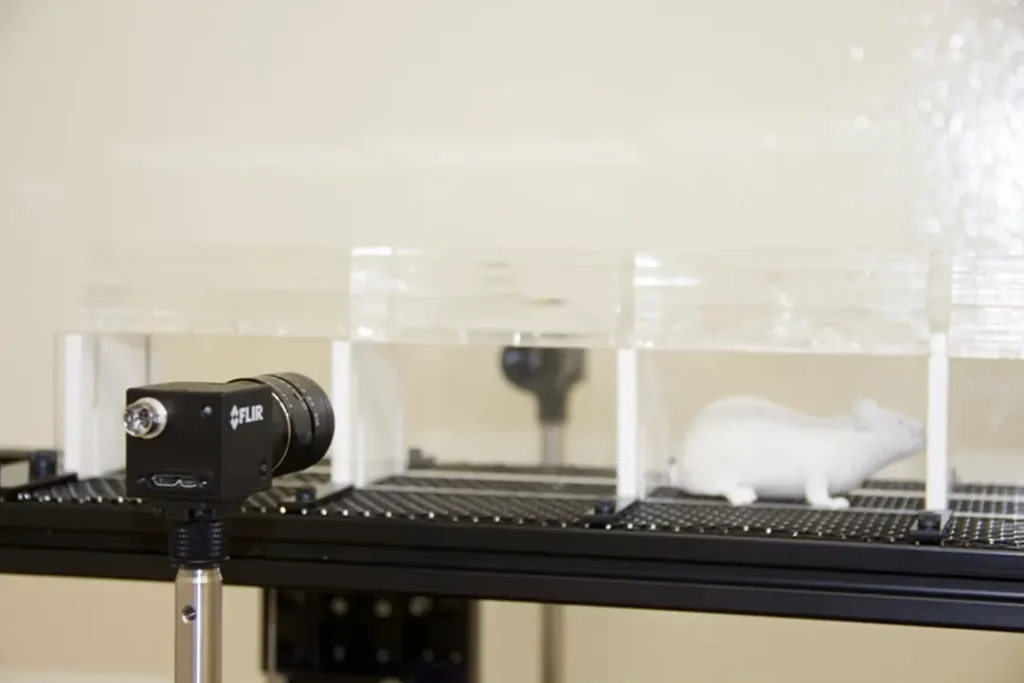
Tactorum’s ARM integrates brain imaging with real-time behavioral tracking, creating closed-loop systems for pain studies. Users highlight its 50% faster workflows, paving the way for innovative therapies targeting sensitized somatosensory areas.
Breakthrough: ARM Enables Closed-Loop Pain Modulation
Two new devices take experimenter variation out of the equation, the lead investigators say.
ARM Tackles Experimenter Bias in Stimulus Delivery
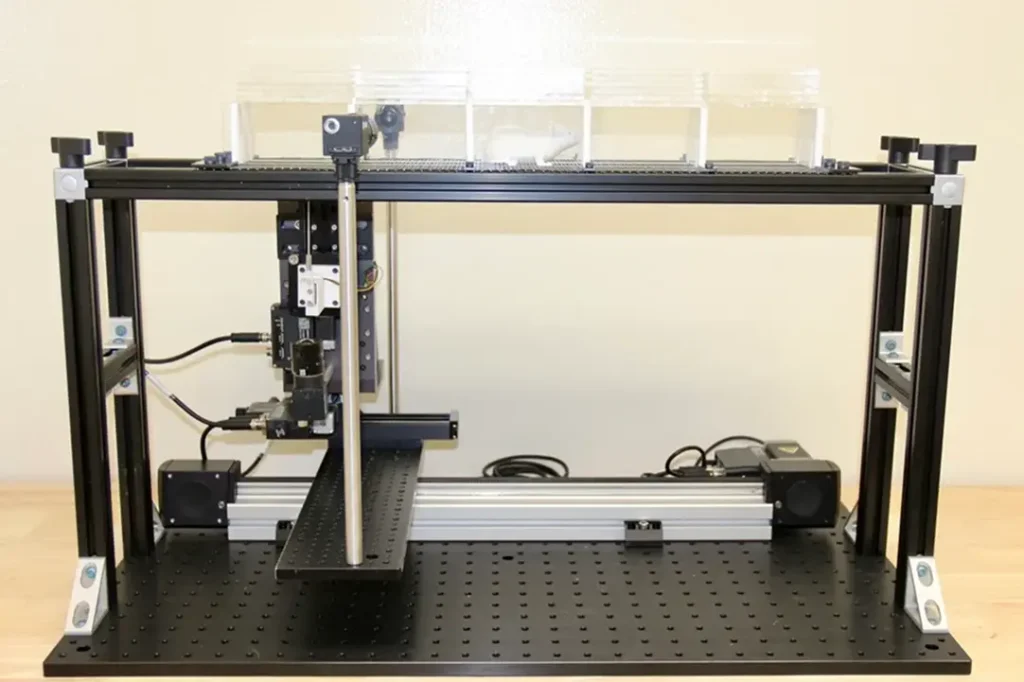
ARM Enables Closed-Loop Pain Modulation Paragraph: April 26, 2024—Tactorum’s ARM integrates brain imaging with real-time behavioral tracking, creating closed-loop systems for pain studies. Users highlight its 50% faster workflows, paving the way for innovative therapies targeting sensitized somatosensory areas.
New ARM Update: Seamless Optogenetic Coupling
ARM now pairs automated mechanical stimuli with optogenetics, slashing training time to 1 hour. Labs worldwide praise its sub-millimeter targeting, fostering consistent results that speed up non-opioid analgesic development.
Remote Devices Revolutionize Pain Assay Precision
Tactorum announces ARM’s remote operation feature, reducing human influence by 93%. This innovation minimizes variability in mechanosensory tests, enabling high-throughput screening and deeper understanding of nociceptive pathways in preclinical models.
Automated Stimulus Delivery of Brain Signals Unveiled
ARM’s latest integration couples robotic precision with neural recording, eliminating manual errors. Researchers report 15x improved accuracy in paw withdrawal assays, transforming inefficient workflows into reliable, bias-free data for chronic pain therapies